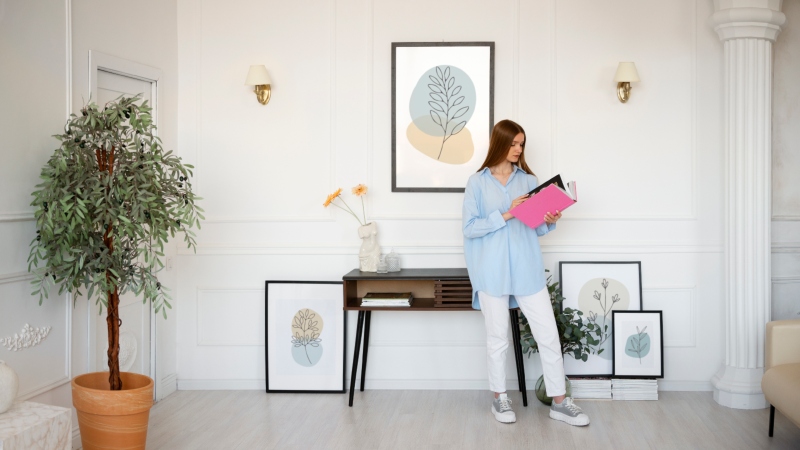
all art does more than fill empty space. It helps define the mood, personality, and visual balance of a room. However, many homeowners struggle to find artwork that complements their furniture, color palette, and overall design style. The best way to choose wall art is to start with your interior design theme, then consider color harmony, scale, placement, and personal preferences. Modern technology has also expanded creative possibilities through tools that make custom artwork more accessible. This guide explains how to select wall art that feels intentional, cohesive, and visually appealing in any room.
Why Wall Art Matters in Interior Design
Wall art acts as a visual anchor within a space. It connects furniture, colors, textures, and decorative elements into a unified design. Without artwork, even a well-furnished room can feel unfinished or lacking personality.
Interior designers often use art to create focal points. A large canvas above a sofa, a gallery wall in a hallway, or framed prints in a bedroom can draw attention and establish visual hierarchy. Art also introduces character and storytelling. Whether you prefer abstract paintings, landscape photography, vintage posters, or contemporary digital designs, your choices reflect your taste and lifestyle.
According to the National Endowment for the Arts, visual art contributes significantly to emotional well-being and personal expression. This makes wall art more than a decorative element. It becomes part of how people experience and enjoy their homes.
Key Takeaway
Choosing wall art is not only about decoration. The right artwork strengthens the overall design and adds personality to a space.
Identify Your Interior Design Style First
Before selecting artwork, determine the design style of your home. This provides a framework that helps narrow your choices and prevents visual clutter.
Modern Style
Modern interiors typically feature clean lines, neutral colors, and minimal ornamentation. Artwork for modern spaces often includes:
- Abstract compositions
- Geometric patterns
- Black-and-white photography
- Minimalist prints
Large-scale pieces usually work better than multiple small artworks because they maintain the clean aesthetic.
Contemporary Style
Contemporary interiors evolve with current trends. Artwork can be bold, experimental, and visually striking.
Popular options include:
- Digital artwork
- Mixed-media designs
- Large statement pieces
- Custom AI poster creations
Traditional Style
Traditional homes often incorporate rich textures, elegant furniture, and classic architectural details.
Suitable artwork includes:
- Landscapes
- Portraits
- Botanical illustrations
- Historic prints
Scandinavian Style
Scandinavian interiors focus on simplicity, functionality, and light colors.
Artwork often features:
- Nature-inspired themes
- Minimal line drawings
- Soft neutral palettes
- Simple photography
Industrial Style
Industrial spaces benefit from artwork that reflects urban environments and raw materials.
Examples include:
- Architectural photography
- Vintage advertising posters
- Metal wall art
- Monochromatic prints
Key Takeaway
The most successful wall art selections align with the room’s overall design style rather than competing with it
Understand Color Harmony Before Buying Art
Color is one of the strongest factors in visual cohesion. Even a beautiful piece can feel out of place if its colors clash with the surrounding environment.
A simple approach is to identify three dominant colors already present in the room:
- Primary color (walls or large furniture)
- Secondary color (rugs, curtains, accent furniture)
- Accent color (decorative accessories)
Your artwork should incorporate at least one or two of these colors. This creates continuity without making the room feel overly coordinated.
Three Common Color Strategies
1. Matching Colors
Artwork contains colors already found throughout the room.
This creates a calm and unified appearance.
2. Complementary Colors
Artwork introduces colors opposite on the color wheel.
This creates contrast and visual interest.
3. Neutral Artwork
Black, white, gray, and beige artwork works well in spaces with bold furnishings or colorful decor.
The interaction between color and interior design principles is supported by guidance from the Smithsonian Design Museum and other design authorities that emphasize balance and visual harmony in residential spaces.
Key Takeaway
Artwork does not need to match every color in a room, but it should visually connect with the existing palette.
Consider Size, Scale, and Placement
Many homeowners focus entirely on the artwork itself while overlooking scale. Even exceptional art can look awkward if it is too small or too large for the wall.
General Sizing Guidelines
For artwork above furniture:
- Artwork should occupy roughly 60% to 75% of the furniture width.
- Leave 6 to 12 inches between furniture and artwork.
gallery walls:
- Maintain consistent spacing.
- Use a central focal piece.
- Arrange layouts before hanging.
For large empty walls:
- Choose oversized art.
- Use a coordinated multi-panel display.
- Create a curated gallery arrangement.
Eye-Level Placement
A common recommendation is to place artwork so its center sits approximately 57 to 60 inches from the floor. This aligns with average eye level and creates a comfortable viewing experience.
Key Takeaway
Proper sizing and placement often have as much impact as the artwork itself.
Personal Expression Should Guide Final Decisions
Interior design trends come and go, but personal connection remains important.
Ask yourself:
- Does this artwork evoke a positive emotion?
- Does it reflect my interests or experiences?
- Will I still enjoy seeing it every day in a few years?
The most memorable homes often feature meaningful pieces rather than purely trend-driven selections.
Travel photography, family artwork, local artists, and customized digital designs can create stronger emotional value than mass-produced decorations.
This is one reason personalized artwork has become increasingly popular. Homeowners want spaces that reflect their identities rather than replicate showroom displays.
Key Takeaway
The best wall art balances design principles with personal meaning and long-term enjoyment.
How AI-Generated Art Is Influencing Modern Interiors
Technology has introduced new opportunities for homeowners seeking unique wall decor.
An AI poster can transform text prompts into customized artwork tailored to specific themes, colors, and design preferences. This allows homeowners to create pieces that fit their interiors more precisely than many ready-made options.
For example:
- Minimalist abstract designs for modern apartments
- Nature-inspired prints for Scandinavian interiors
- Futuristic artwork for contemporary spaces
- Customized cityscapes and architectural illustrations
The growing interest in AI-generated art reflects a broader trend toward personalization. Rather than selecting artwork from limited retail collections, homeowners can explore designs that align closely with their vision.
When using AI-generated artwork, focus on quality printing, proper framing, and integration with the room’s existing aesthetic. Technology should support design goals, not overwhelm them.
Key Takeaway
AI-generated artwork offers customization opportunities, but successful integration still depends on traditional design principles such as color, scale, and style consistency.
Create a Cohesive Gallery Wall
Gallery walls remain one of the most effective ways to showcase multiple pieces while adding visual interest.
Step-by-Step Gallery Wall Checklist
Step 1: Choose a Theme
Common themes include:
- Travel photography
- Botanical illustrations
- Abstract art
- Family memories
- Black-and-white imagery
Step 2: Select a Consistent Element
Maintain consistency through:
- Matching frames
- Similar color palettes
- Shared subject matter
- Uniform matting
Step 3: Plan Before Hanging
Arrange pieces on the floor first.
Experiment with layouts until the composition feels balanced.
Step 4: Mix Sizes Strategically
Combining large and small pieces creates movement while avoiding monotony.
Step 5: Leave Breathing Room
Adequate spacing helps each piece stand out.
For additional inspiration, homeowners can explore home décor and design resources available on TopHomeInsight’s related interior design content to discover room-specific decorating ideas and styling approaches.
Key Takeaway
A successful gallery wall combines variety with enough consistency to maintain visual harmony.
Common Mistakes to Avoid
Even experienced decorators occasionally make mistakes when selecting artwork.
Choosing Art Solely Based on Trends
Trends change quickly. Prioritize pieces you genuinely enjoy.
Ignoring Room Function
Artwork should support the room’s purpose.
Examples:
- Bedrooms benefit from calming imagery.
- Home offices often work well with motivating visuals.
- Dining rooms can support bolder statements.
Selecting Pieces That Are Too Small
Undersized artwork often creates imbalance.
Overcrowding Walls
Negative space improves visual clarity and sophistication.
Forgetting Lighting
Artwork should be properly illuminated through natural light, wall sconces, or picture lights.
Key Takeaway
Avoiding common design mistakes can dramatically improve the effectiveness of your wall art choices.
Frequently Asked Questions
What is the best way to choose wall art for a living room?
Start with your design style, color palette, and furniture size. Select artwork that complements these elements while reflecting your personal taste.
Summary: Choose living room art based on style, color harmony, scale, and personal preference.
Should wall art match furniture exactly?
No. Artwork should coordinate with furniture rather than match it perfectly. Slight contrast often creates a more dynamic and balanced appearance.
Summary: Coordinated colors work better than exact matching.
How large should wall art be above a sofa?
A common guideline is for artwork to cover about 60% to 75% of the sofa’s width. This creates visual balance without overwhelming the space.
Summary: Artwork above a sofa should generally span most of the furniture’s width.
Are AI-generated posters suitable for home interiors?
Yes. A well-designed AI poster can complement many interior styles when it follows principles of color harmony, proper scale, and quality presentation.
Summary: AI-generated artwork works best when integrated thoughtfully into the room’s overall design.
What type of wall art works in small rooms?
Smaller rooms often benefit from a few larger pieces rather than many tiny decorations. This reduces visual clutter and makes the space feel more organized.
Summary: Larger statement pieces often work better than numerous small artworks in compact spaces.
Conclusion
Choosing wall art that matches your interior design style begins with understanding your home’s aesthetic foundation. From modern and contemporary spaces to traditional and Scandinavian interiors, artwork should reinforce the overall design rather than compete with it.
Color harmony, proper scale, thoughtful placement, and personal meaning all contribute to successful selections. Emerging technologies such as custom AI-generated artwork provide new creative possibilities, but the fundamentals of good design remain unchanged.
Whether you prefer classic paintings, photography, gallery walls, or a personalized AI poster, the best choice is one that creates visual balance while expressing your unique personality and enhancing the atmosphere of your home.
Final Summary
The best wall art complements your interior design style, supports the room’s color palette, fits the available space, and reflects your personality. Strong design principles combined with meaningful artwork create a cohesive and inviting home environment.